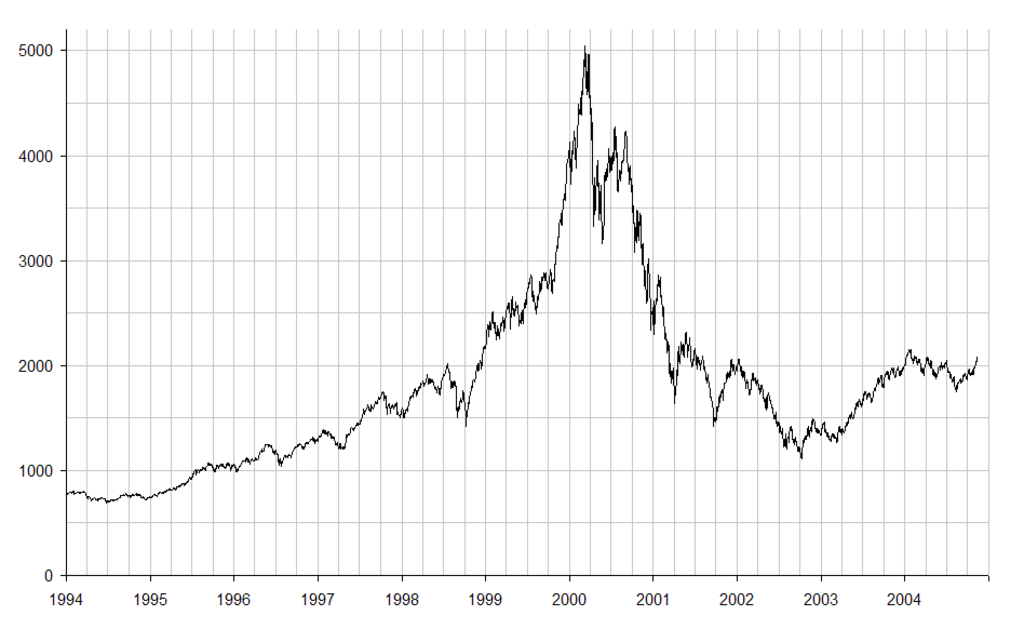
The year is 2002. The dotcom bubble had burst, and shares and sentiment on the stock markets were at rock bottom. Driven by their belief in the enormous opportunities of the internet and mobile telephony, private and professional investors alike had invested in virtually any company that fed the vision of technological progress. Solid company figures and valuations were ignored across the board - a fatal mistake. How can this obvious and costly irrationality be explained?
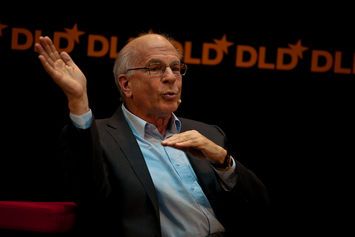
For the Israeli-American economic psychologist Daniel Kahneman, this behaviour is rooted in a mix of biases, shortcuts and errors of perception. People, Kahneman argues, often fall for illusions and believe what they want to believe - even when all the facts speak against it. This, according to Kahneman, is how you can explain why, for example, the more someone has lost on a share, the more tightly they hold on to it.
Obama listens to Kahneman
In 2002, reality had caught up with the theory. Small investors in particular assumed that prices would recover after the market crashes, and they lost the capital they had invested. A painful experience that they would have been spared with a rational strategy - one that takes into account not only your personal risk profile, but also broad diversification of your investment. Without this systematic approach, as implemented by quirion for example, the full extent of the inability Kahneman described - to make a sensible, rational decision in a difficult situation - was laid bare. So it was no coincidence that in 2002 the Nobel Prize committee awarded the prize in economic sciences to Daniel Kahneman alongside Vernon L. Smith.
From that point on, the triumphant rise of behavioural economics began. Politicians such as US President Barack Obama and British Prime Minister David Cameron brought in advisers to help them make better decisions. And ultimately, Kahneman's insights are also part of quirion's investment concept. „No more gut feeling“, the digital investment adviser's current campaign, sums up this reason-led stance perfectly. Instead of emotionally following every short-term trend and relying on opaque investment tips, quirion trusts in the long-term development of the capital market.