After SpaceX, further mega IPOs are already in the works, with Anthropic and OpenAI. They are likely to give the tech sector yet more weight in the markets. Philipp Dobbert, head of asset management at quirion and Quirin Privatbank, explains what that means for investing.
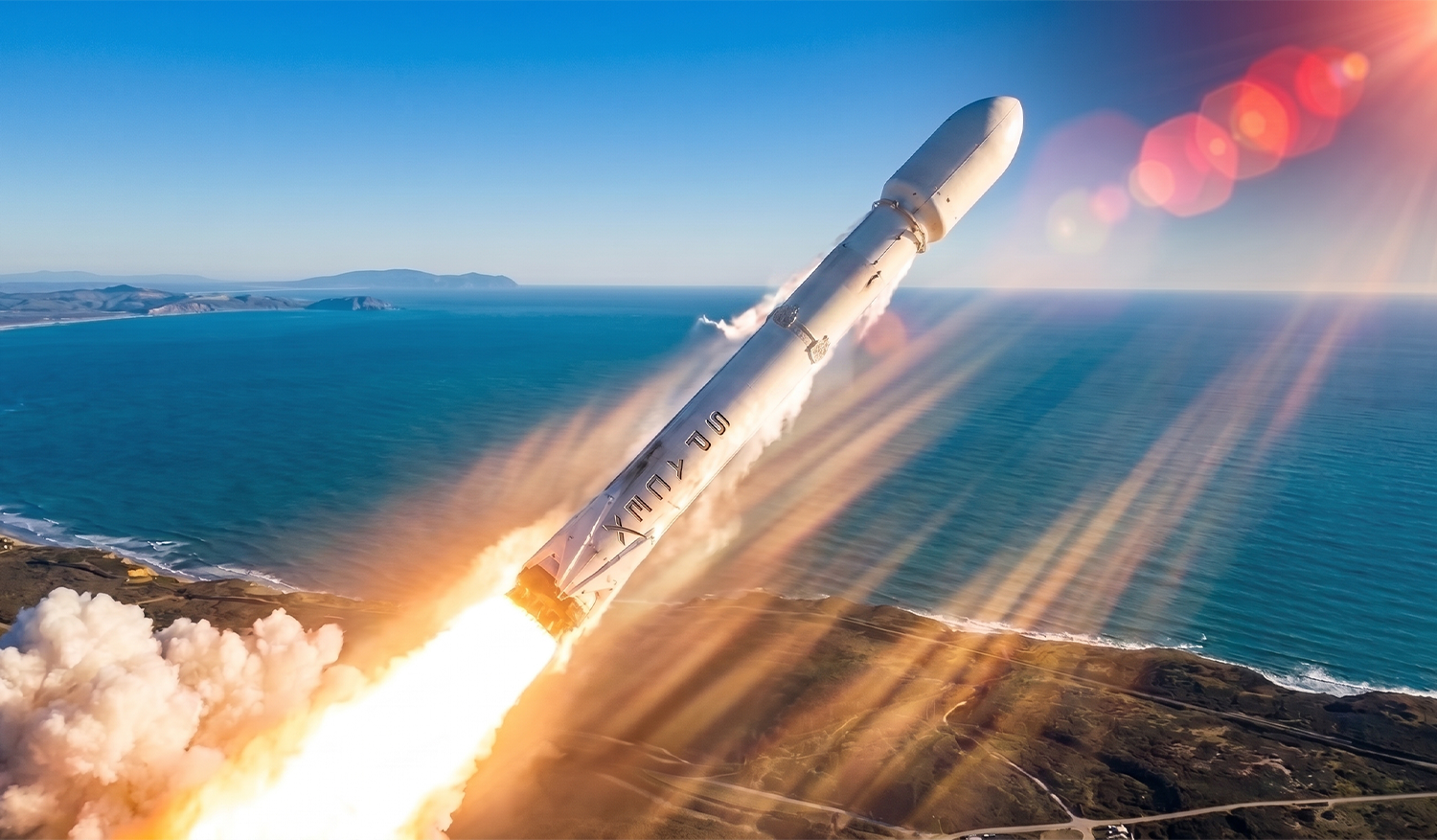
The SpaceX IPO was by far the largest in history. Some index providers even changed their rules in advance to allow the stock to be included more quickly. What consequences does that have for investors?
The consequences are not as serious as the media coverage might lead you to think. As a rule, only the freely tradable shares – the so-called free float – count towards the weighting in indices. Only around 4 to 5 percent of all SpaceX shares are freely tradable on the stock exchange. The rest remains, for now, with Elon Musk and strategic investors.
Of course, it leaves a slightly bad taste that some index providers changed their rules ahead of the stock's market debut. Nasdaq, for example, simply tripled the free float for calculation purposes so it could include the stock in its indices more quickly. ETFs that track these indices then have to trade accordingly. But even in the Nasdaq-100, SpaceX's weight is estimated at only around one percent because of the low free float.
It will matter more when the stock is eventually included in the S&P 500 as well. That will take a while, though, because S&P has not changed its rules. Among other things, SpaceX must be listed on the stock exchange for at least 12 months – and become profitable.
Some presumably adjusted their rules because several large IPOs from the AI space are expected at once, for example from Anthropic and OpenAI. That will likely further increase the importance of the already dominant tech sector. Is the growing concentration a risk?
There is little that can be said about the Anthropic and OpenAI IPOs at the moment. Too few details are known. Of course, there is already plenty of speculation. And it is true that the tech sector has been attracting a lot of attention and money for a very long time. Prices reflect ambitious expectations.
However: in the media it often sounds as if this were the first time investors have concentrated heavily on stocks from particular sectors or countries. In fact, it happens quite often. Before the financial crisis, for example, the banking sector was the big favorite. Before the Asian crisis, it was the emerging markets.
That sounds as if the tech sector could be at the center of the next crisis…
In a market slump, the share prices that rose the most beforehand are most likely to suffer the most. And we keep emphasizing: the next crash is sure to come.
That said, you never know exactly when setbacks will occur. Warnings about a tech bubble have been circulating for years. There have been setbacks along the way, but then prices continued to rise.
What does that mean for the investment strategy?
That you should always diversify broadly and not get drawn into speculation. Anyone who avoided the tech sector for fear of possible price slumps missed out on considerable return opportunities. No one knows in advance which individual stocks, sectors, and countries will be tomorrow's winners or losers.
We keep our investment strategy forecast-free. The goal of our global ETF portfolio is a permanently optimal balance of opportunities and risks. Instead of forecasts, we therefore rely on scientifically grounded diversification, taking six return factors into account.
Is SpaceX in the global ETF portfolio too?
Yes. However, SpaceX currently has a weight of less than 0.1 percent. Our global ETF portfolio currently contains around 10,000 stocks from over 70 countries. With such a systematically diversified portfolio, investors seize return opportunities without taking unnecessary risks.
Of course, things don't always run like clockwork. You need patience and a long-term investment horizon. Stocks give you a stake in the economy, and the economy is fundamentally geared towards growth. That is why, over the long term and on average, markets trend upwards.
You can find out how to build wealth with us here.